


-

Add: HeBei ShengShi HongBang Cellulose Technology CO.,LTD.
-

Email
13180486930@163.com -

CONTACT US
+86 13180486930
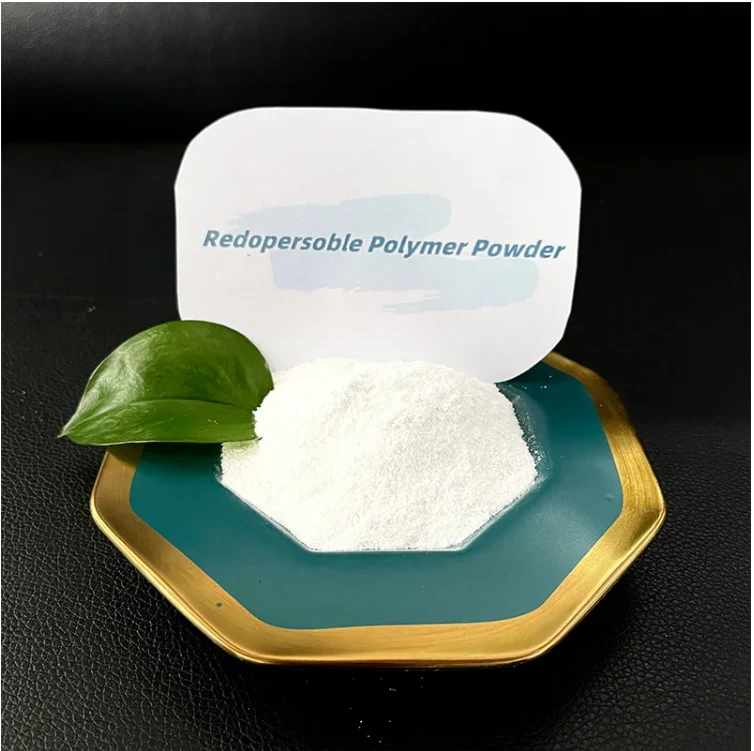
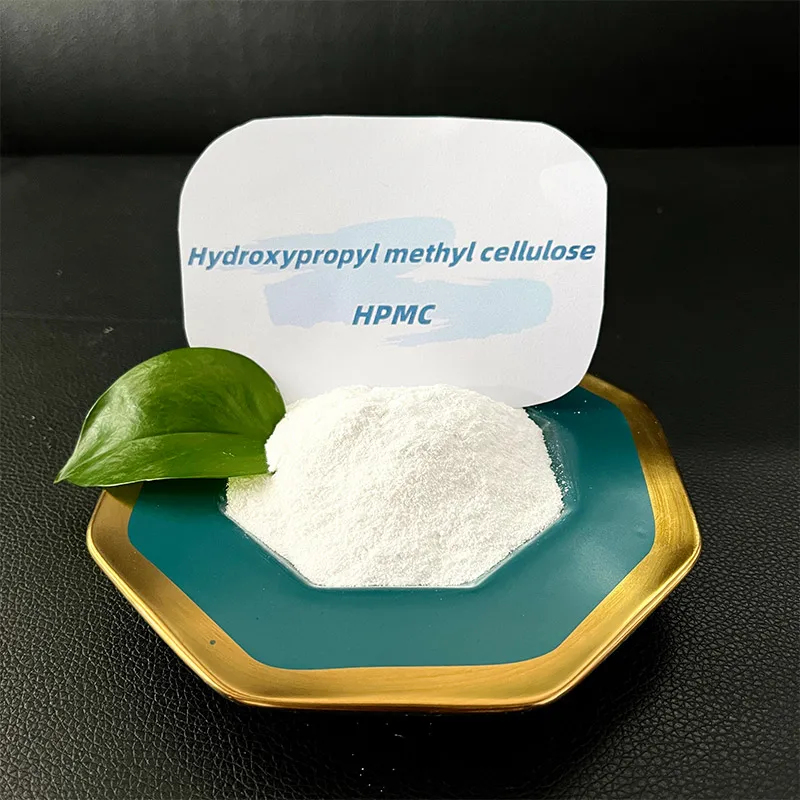



Hydroxypropyl methylcellulose (HPMC) is widely recognized as a versatile compound that finds its application across various industries. Preparing HPMC solutions is paramount for ensuring its effective performance, whether in pharmaceuticals, food processing, or construction. This article sheds light on the expertise required, authoritative guidelines, and trustworthy methodologies associated with HPMC solution preparation. Experience in HPMC solution preparation reveals that the process is both an art and a science, demanding precision and knowledge. Users often face challenges such as insolubility, clumping, or achieving the desired viscosity. These challenges can be mitigated by following specific preparation steps . Here, I will share a streamlined process derived from years of hands-on experience 1. Selection of Grade The choice of HPMC grade significantly influences the end properties of the solution. Different grades offer varying viscosities and gel temperatures, making it crucial to consult technical specification sheets provided by manufacturers to select the right grade for your application needs. 2. Water Quality The quality of solvent, usually water, plays a critical role. Using deionized or distilled water enhances solubility and prevents any potential reactions from contaminants. Experience confirms that temperature-controlled environments boost the solubility rate and uniformity of HPMC throughout the solution. 3. Dispersion Technique Accurate dispersion ensures the complete hydration of HPMC without forming clumps. Begin by sprinkling HPMC slowly into the solvent while stirring continuously. An authoritative tip involves using mechanical stirrers to maintain a consistent dispersal, achieving a lump-free solution efficiently. 4. Temperature Control The temperature of the solvent should be monitored closely. HPMC tends to dissolve better in cold water. By initially employing cold water to disperse the HPMC and later heating it up if the application demands a higher temperature, one can secure optimal results. hpmc solution preparation 5. Hydration Time Time is a crucial factor in preparing an HPMC solution. Allow the solution to hydrate fully, which might take several hours depending on the grade and environmental conditions. Patience is key as incomplete hydration could result in suboptimal solution properties. 6. pH Adjustment For applications requiring specific pH levels, adjust the pH of the solution after full hydration. Different grades of HPMC might react differently to pH adjustments, so it's advisable to conduct small-scale tests before full-scale operations. From a professional standpoint, the expertise of troubleshooting common issues cannot be overstated. In some cases, adding a non-ionic surfactant can assist in reducing surface tension and improving solubility. Furthermore, employing an industrial homogenizer can yield a finer, more consistent HPMC solution in high-demand applications. To establish authority in the preparation of HPMC solutions, it’s paramount to adhere to standardized practices as endorsed by industry leaders. Following guidelines from entities like the United States Pharmacopeia (USP) can ensure compliance and efficacy in pharmaceutical applications. Maintaining a record of every batch's preparation details ensures traceability and identifies areas for future optimization. Trustworthiness is built through consistency and transparency. Regularly testing and documenting the rheological properties of prepared solutions guarantees batch-to-batch uniformity. For enhanced credibility, consider third-party verification from accredited laboratories to validate the effectiveness and safety of the final solution. In conclusion, HPMC solution preparation demands a blend of practical experience, specialized knowledge, and adherence to authoritative protocols. By following these best practices, one can ensure the creation of high-quality HPMC solutions suitable for a variety of applications, ultimately fostering trust and reliability in the end product.
- 40000tons

Production
- 20+years

Experience
- 5000+㎡

Acreage

-

HPMC Connect is rapidly emerging as a pivotal element in the pharmaceutical and construction industries. As a product, HPMC (Hydroxypropyl Methylcellulose) Connect has garnered attention for its exceptional properties and versatile applications, making it an indispensable resource for manufacturers and builders alike. Users of HPMC Connect benefit from its unparalleled viscosity-modification capabilities. In the pharmaceutical sector, this translates to enhanced control over drug release profiles, ensuring that medication delivers its therapeutic effects at a consistent rate. Pharmaceutical experts have found that HPMC Connect improves the stability and solubility of active pharmaceutical ingredients (APIs), which is crucial in the development of controlled-release formulations. This expertise is backed by numerous studies that highlight its efficacy in overcoming the challenges associated with poorly water-soluble drugs, thereby improving bioavailability and patient compliance. In construction , HPMC Connect serves as a crucial additive in cement and grout mixtures. It dramatically improves workability and adherence, ensuring efficient application and lasting durability of construction materials. This property is particularly valued in high-performance building projects, where material reliability is non-negotiable. Builders cite HPMC Connect's role in optimizing water retention in cementitious mixes, reducing shrinkage and cracking, and enhancing the end product's surface finish. These benefits are critical not only from a structural standpoint but also in meeting stringent building standards and regulations. What sets HPMC Connect apart is its authoritative standing in safety and environmental compliance. It is recognized for being non-toxic and biodegradable, making it a preferred choice for contemporary eco-conscious industries. Regulatory bodies have acknowledged its safety in both ingestion and dermal contact, which adds an additional layer of trust for companies looking to incorporate it into their products without compromising consumer safety. The seamless integration of HPMC Connect into various manufacturing processes underscores its reliability and the high level of trust the industry places in it. Technical support teams equipped with extensive expertise about HPMC formulations provide guidance to companies maximizing its potential benefits. This accessibility to expert advice ensures that businesses can navigate the complexities of formulation adjustments while maintaining product integrity and efficacy. hpmc connect Moreover, HPMC Connect's adaptability extends to its functionality across different climatic conditions, which is a decisive factor for global enterprises operating in varied environments. It maintains its performance standards regardless of humidity or temperature fluctuations, offering uniform results worldwide. Manufacturers appreciate this consistency, as it simplifies logistics and quality control across international production facilities. In terms of real-world experience, numerous testimonials from industry leaders accentuate the transformative impact of integrating HPMC Connect into their operations. From pharmaceutical companies developing next-generation drug delivery systems to contractors achieving superior finishes on architectural projects, the product's contributions are indispensable. It has a proven track record of enhancing product performance, not just meeting but exceeding customer expectations. HPMC Connect continues to advance its relevance through ongoing research and development. Committed to innovation, the producers behind HPMC Connect are actively engaged in discovering new applications and improving existing formulations to meet ever-evolving industry demands. This proactive approach ensures that the product remains at the forefront of technological advancements, offering cutting-edge solutions. In conclusion, HPMC Connect stands as a testament to the synthesis of safety, efficiency, and adaptability in both pharmaceuticals and construction. Its esteemed position is reinforced by rigorous scientific validation and widespread industry endorsement. Companies seeking a product that delivers consistent results with authoritative backing can confidently choose HPMC Connect, knowing it upholds the highest standards of trustworthiness and expertise.
-

Hydroxypropyl methylcellulose (HPMC) is widely recognized as a versatile compound that finds its application across various industries. Preparing HPMC solutions is paramount for ensuring its effective performance, whether in pharmaceuticals, food processing, or construction. This article sheds light on the expertise required, authoritative guidelines, and trustworthy methodologies associated with HPMC solution preparation. Experience in HPMC solution preparation reveals that the process is both an art and a science, demanding precision and knowledge. Users often face challenges such as insolubility, clumping, or achieving the desired viscosity. These challenges can be mitigated by following specific preparation steps . Here, I will share a streamlined process derived from years of hands-on experience 1. Selection of Grade The choice of HPMC grade significantly influences the end properties of the solution. Different grades offer varying viscosities and gel temperatures, making it crucial to consult technical specification sheets provided by manufacturers to select the right grade for your application needs. 2. Water Quality The quality of solvent, usually water, plays a critical role. Using deionized or distilled water enhances solubility and prevents any potential reactions from contaminants. Experience confirms that temperature-controlled environments boost the solubility rate and uniformity of HPMC throughout the solution. 3. Dispersion Technique Accurate dispersion ensures the complete hydration of HPMC without forming clumps. Begin by sprinkling HPMC slowly into the solvent while stirring continuously. An authoritative tip involves using mechanical stirrers to maintain a consistent dispersal, achieving a lump-free solution efficiently. 4. Temperature Control The temperature of the solvent should be monitored closely. HPMC tends to dissolve better in cold water. By initially employing cold water to disperse the HPMC and later heating it up if the application demands a higher temperature, one can secure optimal results. hpmc solution preparation 5. Hydration Time Time is a crucial factor in preparing an HPMC solution. Allow the solution to hydrate fully, which might take several hours depending on the grade and environmental conditions. Patience is key as incomplete hydration could result in suboptimal solution properties. 6. pH Adjustment For applications requiring specific pH levels, adjust the pH of the solution after full hydration. Different grades of HPMC might react differently to pH adjustments, so it's advisable to conduct small-scale tests before full-scale operations. From a professional standpoint, the expertise of troubleshooting common issues cannot be overstated. In some cases, adding a non-ionic surfactant can assist in reducing surface tension and improving solubility. Furthermore, employing an industrial homogenizer can yield a finer, more consistent HPMC solution in high-demand applications. To establish authority in the preparation of HPMC solutions, it’s paramount to adhere to standardized practices as endorsed by industry leaders. Following guidelines from entities like the United States Pharmacopeia (USP) can ensure compliance and efficacy in pharmaceutical applications. Maintaining a record of every batch's preparation details ensures traceability and identifies areas for future optimization. Trustworthiness is built through consistency and transparency. Regularly testing and documenting the rheological properties of prepared solutions guarantees batch-to-batch uniformity. For enhanced credibility, consider third-party verification from accredited laboratories to validate the effectiveness and safety of the final solution. In conclusion, HPMC solution preparation demands a blend of practical experience, specialized knowledge, and adherence to authoritative protocols. By following these best practices, one can ensure the creation of high-quality HPMC solutions suitable for a variety of applications, ultimately fostering trust and reliability in the end product.
advantages
-

200000 Viscosities
Excellent product
We can produce pure products up to 200,000 viscosities
-

40000 tons
High yield
We don’t stop production all year round, and the annual output can reach 40,000 tons
-

24 hours
Quality service
We provide 24-hours online reception service, welcome to consult at any time
———— Inquiry Form
Schedule A services

- five_types_of_synthetic_fibres
Oct . 25, 2025
Hydroxypropyl methylcellulose (HPMC) is a multi-functional polymer that garners extensive attention -
 hpmc_k4m_uses
Oct . 25, 2025
In the complex world of construction and building materials, innovative products regularly establish -
 hpmc_importer
Oct . 25, 2025
Understanding Cellulose Derived from Wood Cellulose is one of the most essential organic polymers fo


